Electrical Repair Cost

Compare average electrical repair costs for wiring, circuit breakers, electrical panels, outlets, lighting, and ceiling fans. Understand the factors that affect repair pricing before deciding whether to repair or upgrade your electrical system.

Common Electrical Repair Costs

Electrical repair costs vary depending on the repair type, replacement parts, repair complexity, and labor. Compare the most common electrical repairs and understand what typically affects repair pricing.
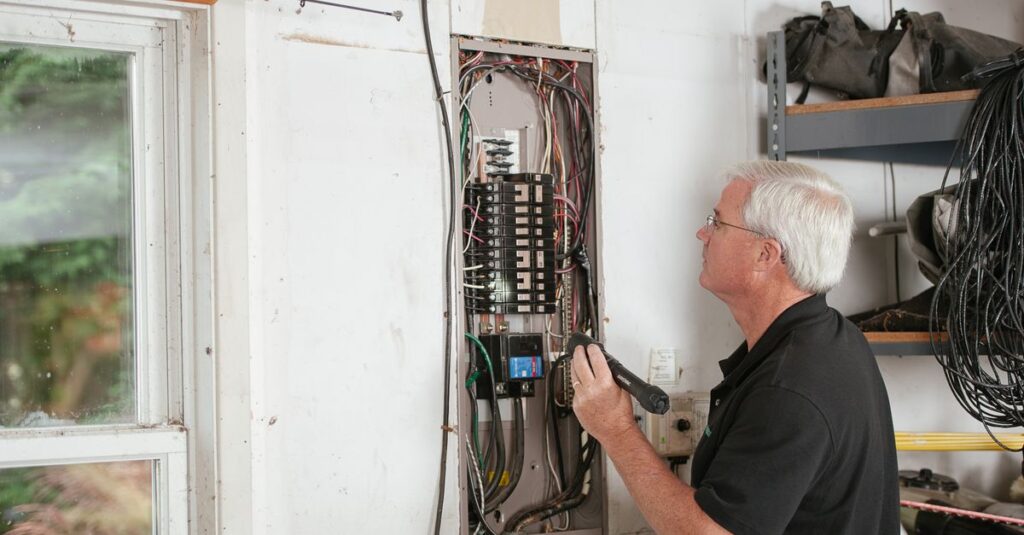
An electrician carefully examines a residential fuse box indoors, ensuring electrical safety and compliance.
Wiring Repair
Information about damaged wiring, faulty connections, electrical circuits, code compliance, and repair cost considerations.
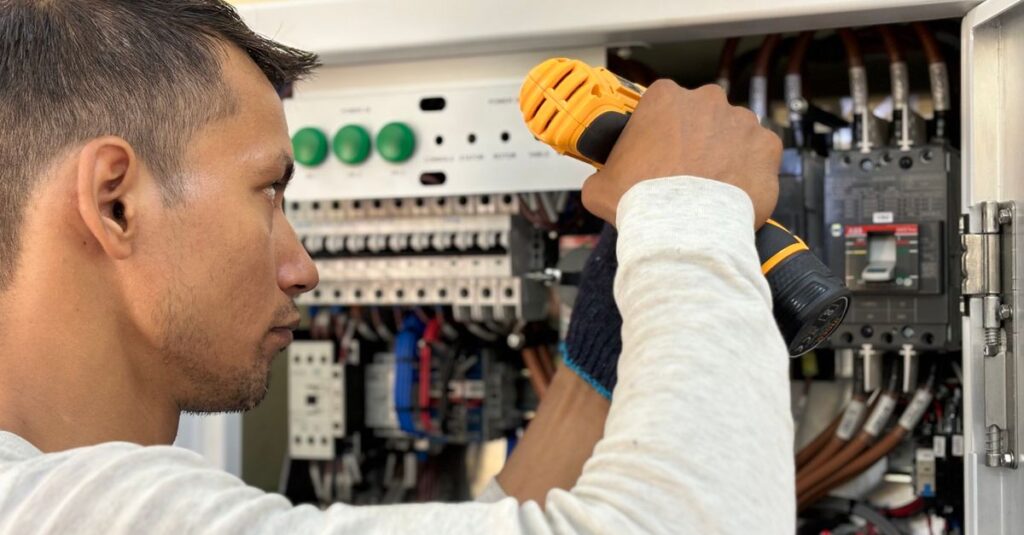
Professional electrician using a drill on an indoor circuit breaker panel.
Circuit Breaker Repair
Information about overloaded circuits, breaker failures, electrical faults, and repair cost considerations.
From below of male screwing light bulb into new fashionable lamp during renovation work in apartment
Light Fixture Repair
Information about faulty light fixtures, switches, wiring, LED upgrades, and repair cost considerations.
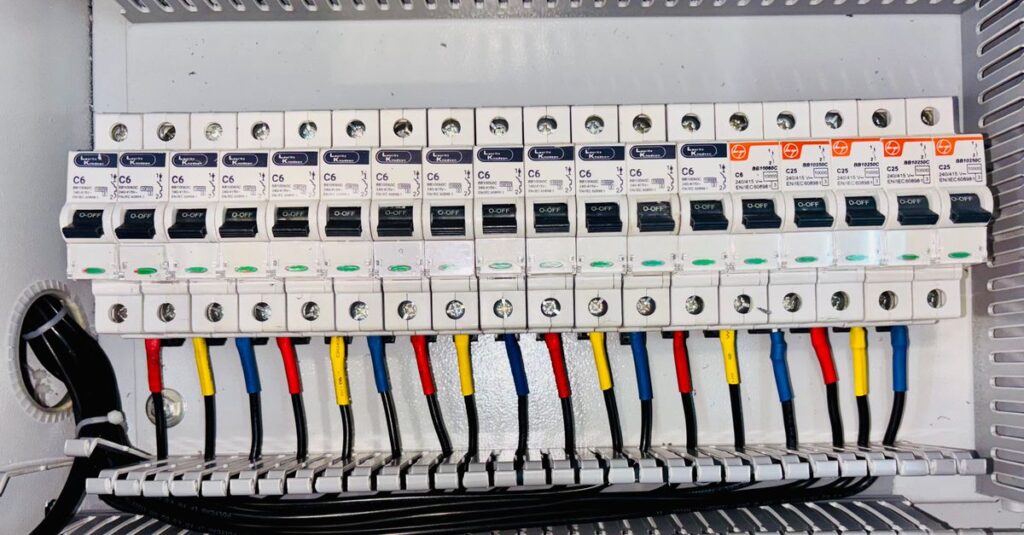
Close-up of an organized circuit breaker panel featuring color-coded electrical wiring.
Electrical Panel Repair
Information about damaged electrical panels, breaker replacement, panel repairs, electrical code compliance, and repair cost considerations.
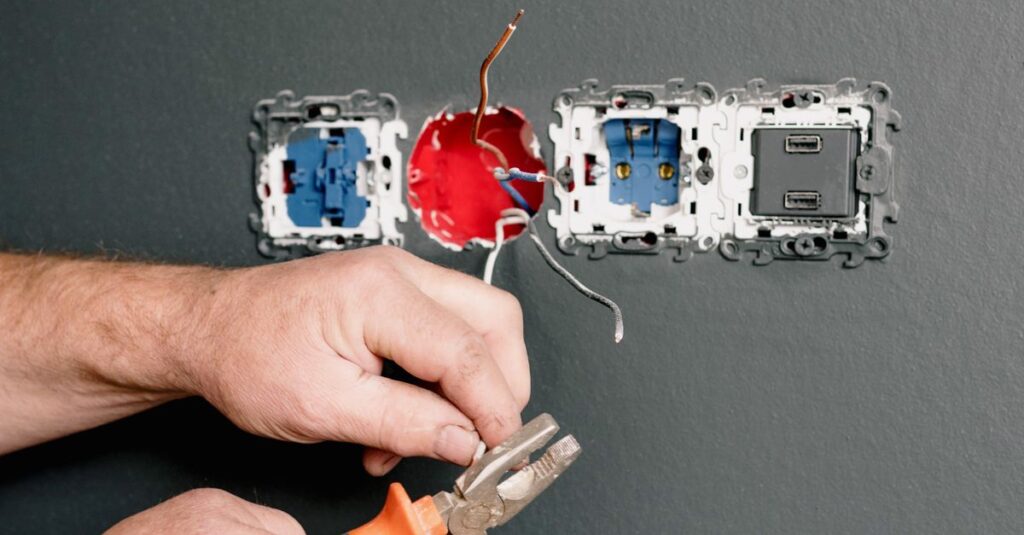
Crop faceless electrician using pliers for installation sockets and switches in new apartment
Outlet Repair
Information about damaged outlets, GFCI replacement, loose connections, and repair cost considerations.
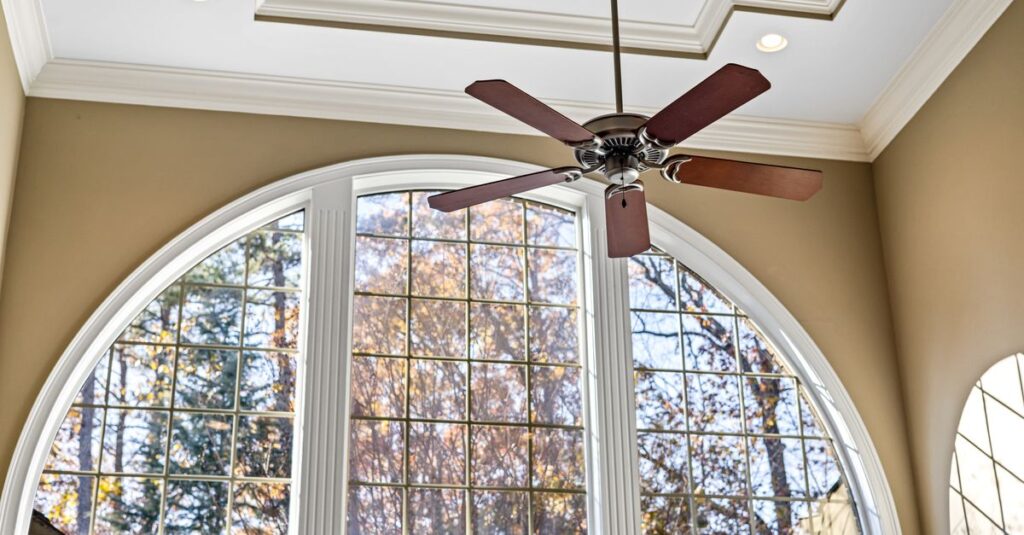
Spacious interior featuring an arched window and decorative ceiling fan with natural light.
Ceiling Fan Repair
Information about ceiling fan motors, wiring problems, switch replacement, balancing issues, and repair cost considerations.

What Affects Electrical Repair Costs

Several factors influence electrical repair costs. Understanding these factors helps homeowners compare repair estimates and choose the most cost-effective repair solution.

  • Repair type
  • Electrical panel condition
  • Replacement part availability
  • Labor rates
  • Electrical code requirements
  • Property age

Ways to Reduce Repair Costs

Routine inspections and timely electrical repairs can reduce repair expenses while improving home safety and system reliability.

  • Repair electrical issues early
  • Schedule electrical inspections
  • Avoid overloaded circuits
  • Compare repair estimates
  • Replace worn electrical components
  • Maintain electrical panels regularly

Repair or Upgrade Electrical Systems?

Compare electrical repair costs, panel condition, system capacity, safety requirements, replacement costs, and upgrade options before deciding whether to repair or upgrade your electrical system.

F.A.Q.

Repair costs vary depending on the repair type, replacement parts, labor rates, and the complexity of the electrical issue.
If your panel cannot safely support your home’s electrical demand or requires frequent repairs, upgrading may be the more practical long-term solution.
Repair costs depend on the repair type, electrical panel condition, replacement parts, labor rates, and local electrical code requirements.
Minor tasks may be appropriate for experienced homeowners, but most electrical repairs should be completed by a licensed electrician to ensure safety and code compliance.
Routine inspections, avoiding overloaded circuits, and repairing small electrical issues early can help prevent more expensive repairs.
You should hire a licensed electrician for panel repairs, wiring replacement, breaker issues, repeated power failures, burning odors, or any repair involving your home’s electrical system.
Homeowners insurance may cover electrical repairs if the damage results from a covered event, such as a storm or fire. Repairs caused by normal wear, aging components, or lack of maintenance are generally not covered. Always review your policy for specific coverage details.
Most homes should have a professional electrical inspection every three to five years. Older homes, recently renovated properties, or homes with frequent electrical issues may benefit from more frequent inspections to identify safety risks and prevent costly repairs.

Related Articles

No posts found.