
The Future of Right to Repair
As repair legislation continues to evolve, consumers, repair businesses, and manufacturers will benefit from improved repair access, longer product lifespans, and more sustainable product ecosystems.
Right to Repair continues to influence consumers, manufacturers, independent repair providers, and lawmakers worldwide. Explore the key topics shaping modern repair legislation and consumer repair rights.


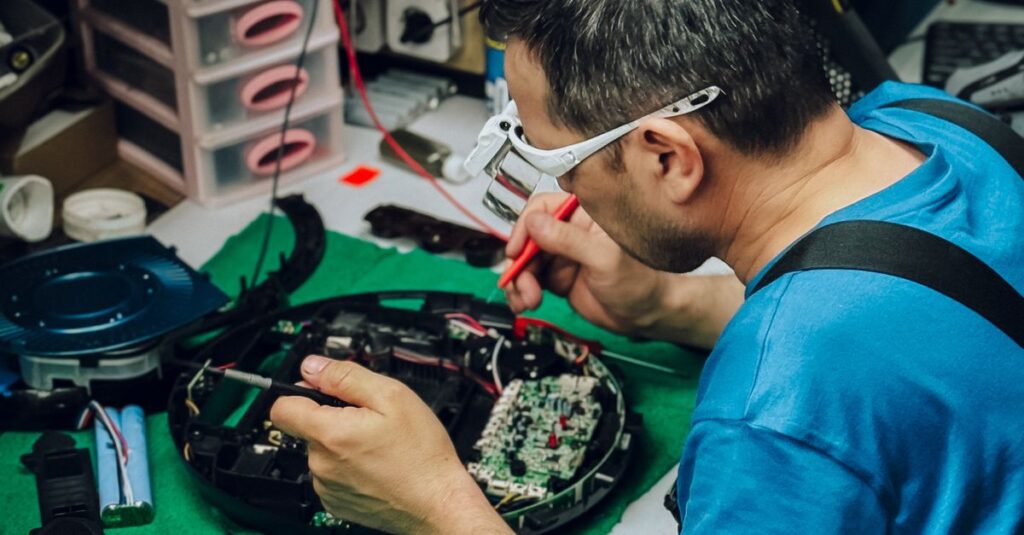


Right to Repair supports greater repair accessibility, consumer ownership, product longevity, and fair competition while helping reduce unnecessary electronic waste.
Governments, manufacturers, and consumer organizations continue to expand repair legislation, improve repairability standards, and increase access to repair information and replacement parts.
As repair legislation continues to evolve, consumers, repair businesses, and manufacturers will benefit from improved repair access, longer product lifespans, and more sustainable product ecosystems.
The Right to Repair movement supports consumer access to repair information, replacement parts, tools, and documentation needed to repair products independently or through third-party repair providers.
It promotes consumer ownership, extends product lifespans, reduces electronic waste, and encourages greater competition in the repair industry.
Coverage depends on local laws and regulations. Some legislation focuses on consumer electronics, while other proposals include appliances, agricultural equipment, medical devices, and vehicles.
Manufacturers may be required to provide repair documentation, replacement parts, diagnostic tools, or software access, depending on applicable legislation.
Consumers gain more repair options, lower repair costs, longer product lifespans, and greater control over products they own.
Yes. Increasing repair access helps extend product life, reduce unnecessary replacements, and support sustainability through the circular economy.
Several countries and regions, including parts of North America and Europe, have introduced or expanded Right to Repair legislation, with additional proposals continuing to emerge.
Independent repair businesses may gain improved access to replacement parts, repair manuals, diagnostic tools, and a larger customer base.