Common Repair Mistakes

Avoid common repair mistakes involving contractor selection, repair estimates, project planning, contracts, material quality, and preventive maintenance to reduce unnecessary costs and improve project success.

Common Repair Mistakes

Avoid the most common repair mistakes homeowners make before, during, and after repair projects to improve quality, reduce costs, and prevent unnecessary problems.
Three real estate professionals in hard hats discussing home features during a house tour.
Hiring Unqualified Contractors
Information about contractor qualifications, licenses, insurance verification, certifications, customer reviews, and professional experience.
Architect wearing a face mask holds blueprints and clipboard, emphasizing safety measures.
Accepting the Lowest Estimate
Information about comparing written estimates, project scope, labor costs, material quality, hidden fees, and pricing differences.
Overhead view of hands highlighting financial documents on a desk.
Poor Project Planning
Information about scheduling, permits, inspections, timelines, communication, budgeting, and project preparation.
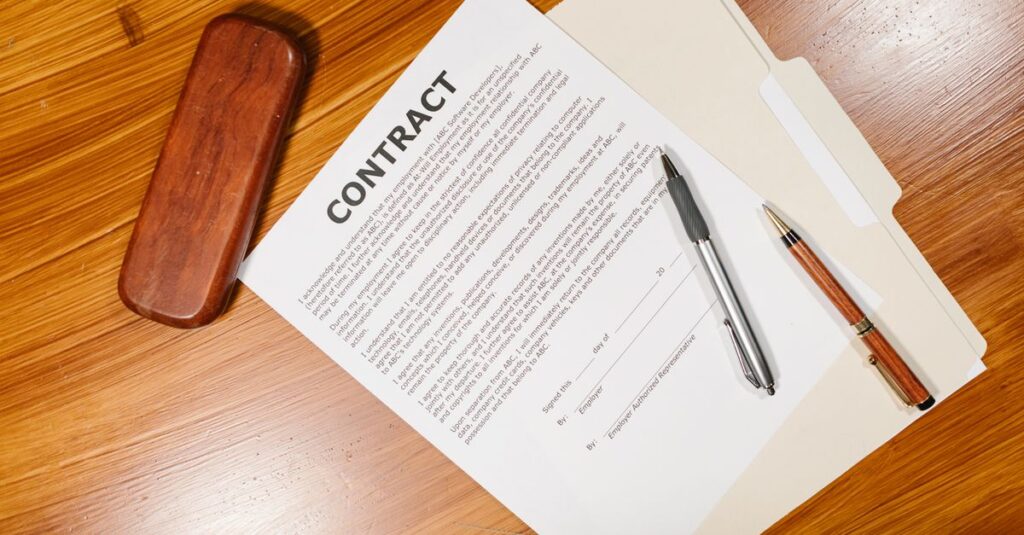
High-angle view of a contract document with pens and a case on a wooden table.
Skipping Written Contracts
Information about contracts, warranties, payment schedules, change orders, dispute prevention, and project documentation.
A hand signs a formal contract with a pen on a wooden desk.
Using Low-Quality Materials
Information about material quality, product compatibility, durability, replacement costs, manufacturer recommendations, and long-term value.
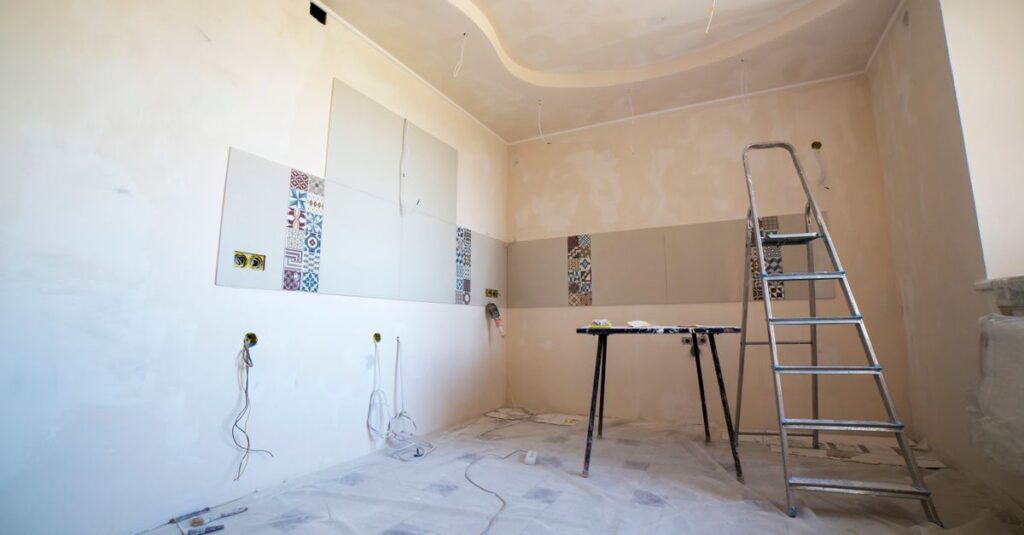
Interior view of a room under renovation with paint, tiles, and tools.
Ignoring Preventive Maintenance
Information about routine inspections, seasonal maintenance, early repairs, equipment lifespan, and preventing expensive failures.

Why Repair Mistakes Cost More

Small repair mistakes can lead to higher labor costs, additional repairs, project delays, warranty issues, and unnecessary replacement expenses.

  • Increase repair costs
  • Cause project delays
  • Reduce workmanship quality
  • Create safety risks
  • Shorten equipment lifespan
  • Void manufacturer warranties

Repair Planning Checklist

Use a simple checklist before starting any repair project to reduce risks, compare options, and improve project outcomes.

  • Verify contractor credentials
  • Compare multiple estimates
  • Review project scope
  • Confirm warranty coverage
  • Use quality materials
  • Keep written documentation

Avoid Costly Repair Mistakes

Smart planning, qualified contractors, written agreements, and quality materials help reduce repair costs, improve workmanship, and prevent expensive project mistakes.

F.A.Q.

Many homeowners underestimate project costs, hire unqualified contractors, skip written contracts, use low-quality materials, or delay routine maintenance. Proper planning and research help reduce these common mistakes.
Compare multiple estimates, verify contractor credentials, understand the project scope, use quality materials, and keep written documentation before work begins.
Comparing estimates helps you understand pricing differences, identify missing work, evaluate material quality, and avoid choosing contractors based only on the lowest price.
A written estimate should clearly list labor costs, materials, project scope, timelines, warranties, payment terms, and any additional charges that may apply.
For electrical, plumbing, HVAC, roofing, and other regulated work, hiring licensed contractors helps improve safety, code compliance, and workmanship quality.
Yes. Poor-quality materials often fail sooner, require additional labor, shorten equipment lifespan, and increase long-term maintenance expenses.
Routine inspections and regular maintenance help identify small problems before they become expensive repairs, reducing unexpected failures and extending equipment life.
Poor planning, inaccurate estimates, missing permits, unavailable materials, contractor scheduling conflicts, and communication problems are common causes of project delays.
The decision depends on repair cost, equipment age, expected lifespan, replacement cost, warranty coverage, and overall condition. Comparing these factors helps determine the most cost-effective option.
Start with a realistic budget, compare qualified contractors, obtain written estimates, review contracts carefully, select quality materials, and document every stage of the project.

Related Articles

No posts found.