Tools & Equipment

Repair tools, testing equipment, safety gear, measuring devices, and workshop essentials for home, appliance, electronics, and equipment repairs.

Popular Tools & Equipment

Repair tools and equipment for diagnostics, measurements, safety, precision work, and general repair tasks across home and electronics projects.
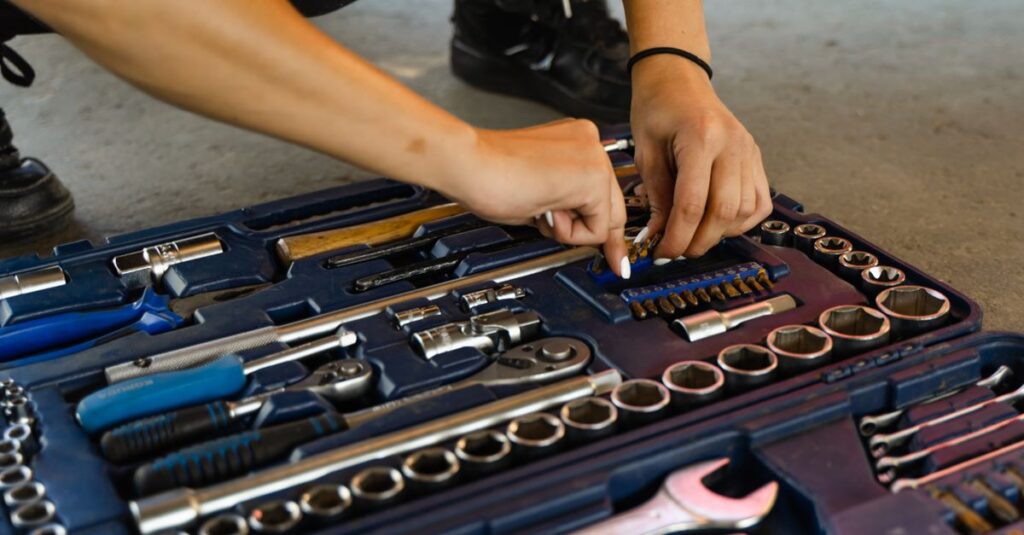
Hands selecting a tool from a versatile, well-organized toolbox for repair tasks.
Hand Tools
Essential screwdrivers, pliers, wrenches, tweezers, and other hand tools used for everyday repair work.
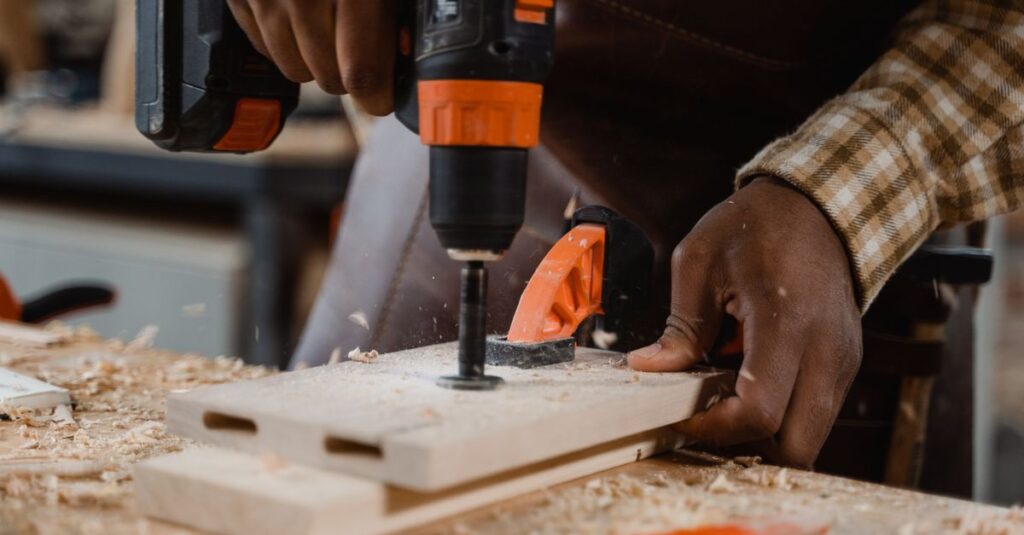
Carpenter uses drill on wood board, surrounded by sawdust in a workshop setting.
Power Tools
Power tools designed for drilling, fastening, cutting, polishing, and other repair applications.
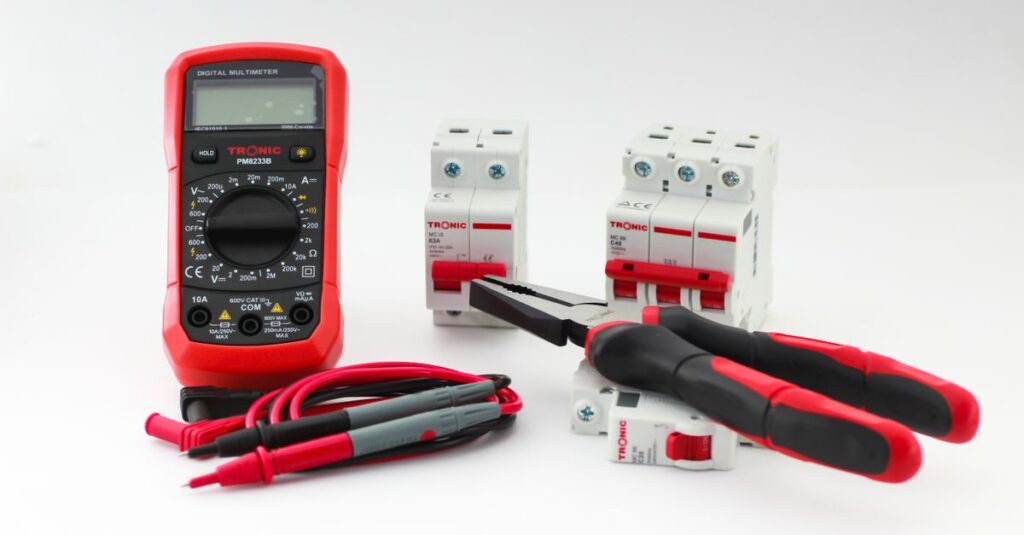
Close-up of a digital multimeter with electrical tools and circuit breakers on a white background.
Testing Equipment
Multimeters, voltage testers, thermal cameras, and diagnostic devices used to identify repair problems.
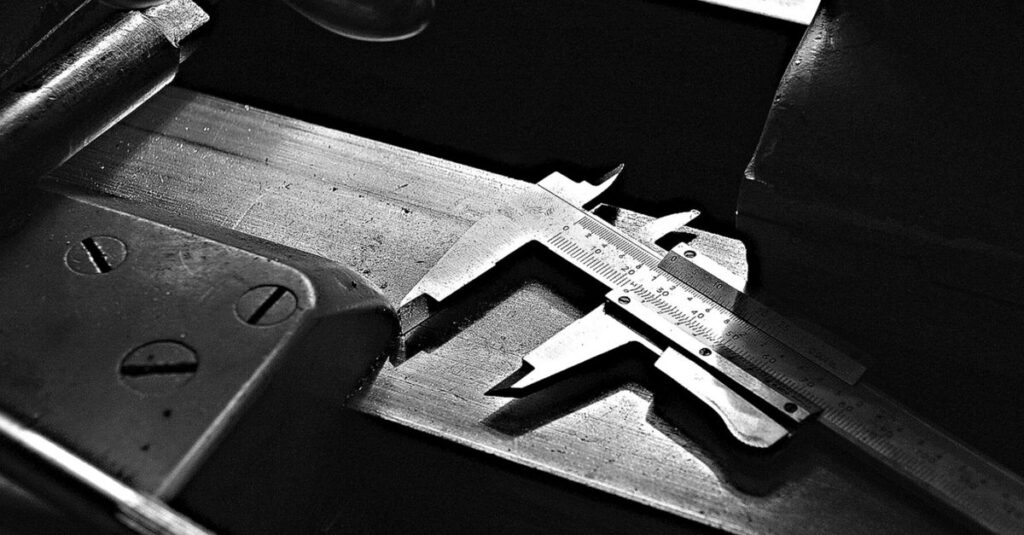
A detailed black and white image of a caliper tool on a workshop table, highlighting precision.
Precision Tools
Precision screwdrivers, spudgers, tweezers, and opening tools for electronics and small-device repairs.
Confident female construction worker wearing safety gear and holding a drill indoors.
Safety Equipment
Protective gloves, safety glasses, ESD protection, masks, and other equipment that improves repair safety.
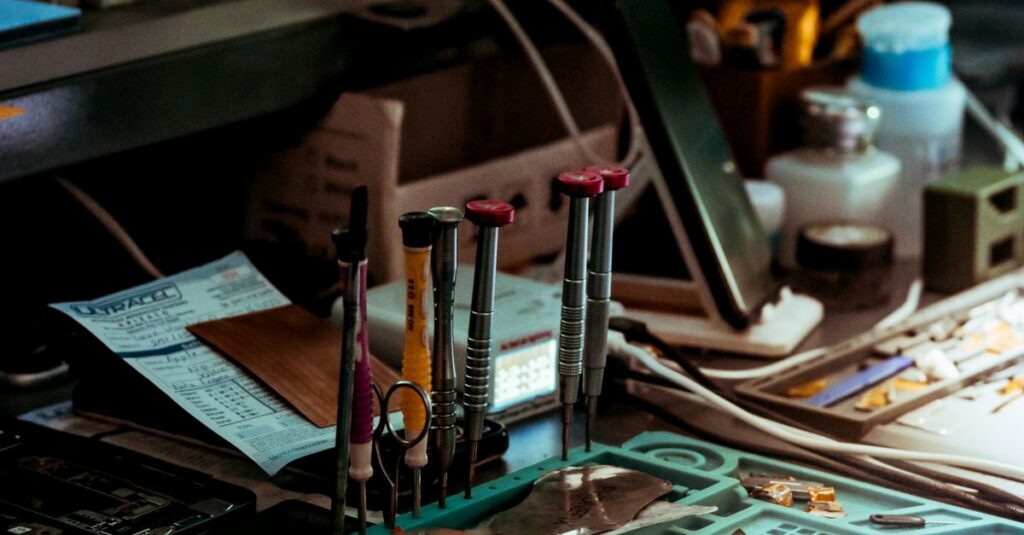
Detailed view of a tech repair workspace with tools and electronics parts.
Workshop Equipment
Workbenches, lighting, storage systems, soldering stations, and other equipment that improves repair efficiency.

Tool Selection Tips

Selecting the right repair tools improves efficiency, protects equipment, and helps complete repairs with greater accuracy and safety.

  • Choose tools designed for the repair task
  • Use quality tools for better durability
  • Select the correct tool size
  • Maintain tools regularly
  • Store tools in a clean, dry environment
  • Use insulated tools when required
  • Replace damaged tools promptly
  • Follow manufacturer recommendations

Common Tool Mistakes

Using incorrect or poorly maintained tools can damage equipment, reduce repair quality, and increase safety risks.

  • Using the wrong tool for the job
  • Using worn or damaged tools
  • Ignoring safety equipment
  • Choosing low-quality tools
  • Using incorrect measurement tools
  • Improper tool storage
  • Skipping regular tool maintenance
  • Forcing tools beyond their intended use

Repair Tool Resources

The right repair tools improve accuracy, efficiency, and workplace safety. Choosing quality tools and maintaining them properly helps reduce equipment damage and achieve more reliable repair results.
F.A.Q.

Basic repairs typically require screwdrivers, pliers, wrenches, measuring tools, safety equipment, and task-specific repair tools depending on the type of repair.
Choose tools based on the repair task, product type, required precision, durability, safety features, and compatibility with the work being performed.
Hand tools are manually operated and provide greater control for detailed work, while power tools improve speed and efficiency for drilling, cutting, fastening, and other demanding repair tasks.
Common testing equipment includes multimeters, voltage testers, thermal cameras, battery testers, continuity testers, and other diagnostic devices used to identify repair problems.
Electrostatic discharge (ESD) protection helps prevent static electricity from damaging sensitive electronic components during repair and assembly.
Keep tools clean, dry, properly lubricated when necessary, inspect them regularly for wear or damage, and store them in a safe, organized environment.
Safety equipment may include safety glasses, gloves, hearing protection, ESD wrist straps, protective footwear, face masks, and other personal protective equipment appropriate for the repair.
Common mistakes include using the wrong tool, forcing tools beyond their intended use, neglecting maintenance, using damaged tools, and ignoring safety equipment.
Replace tools when they become worn, cracked, bent, damaged, inaccurate, or no longer operate safely and effectively.
High-quality tools improve repair accuracy, reduce component damage, increase efficiency, enhance safety, and provide more consistent repair results over time.

Related Articles

No posts found.