Data Recovery

Find trusted information about data recovery, storage device failures, recovery methods, software options, recovery costs, and prevention tips for hard drives, SSDs, memory cards, USB drives, and mobile devices.

Common Data Recovery Services

Browse information about the most common data recovery situations, storage device failures, recovery methods, and troubleshooting topics.
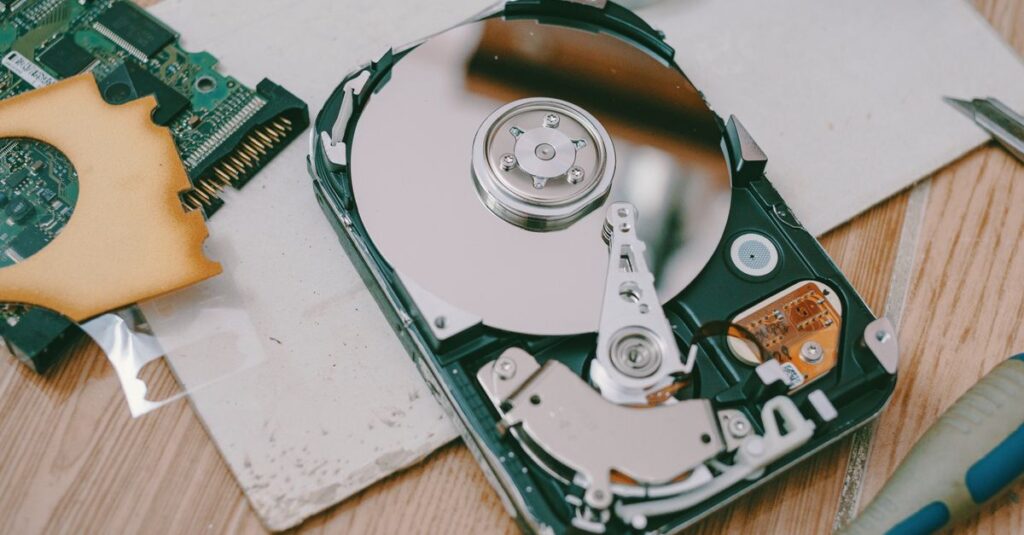
Close-up of a disassembled hard drive showing internal components on a wooden table.
Hard Drive Recovery
Information about hard drive failures, clicking noises, unreadable drives, corrupted partitions, and recovery considerations.
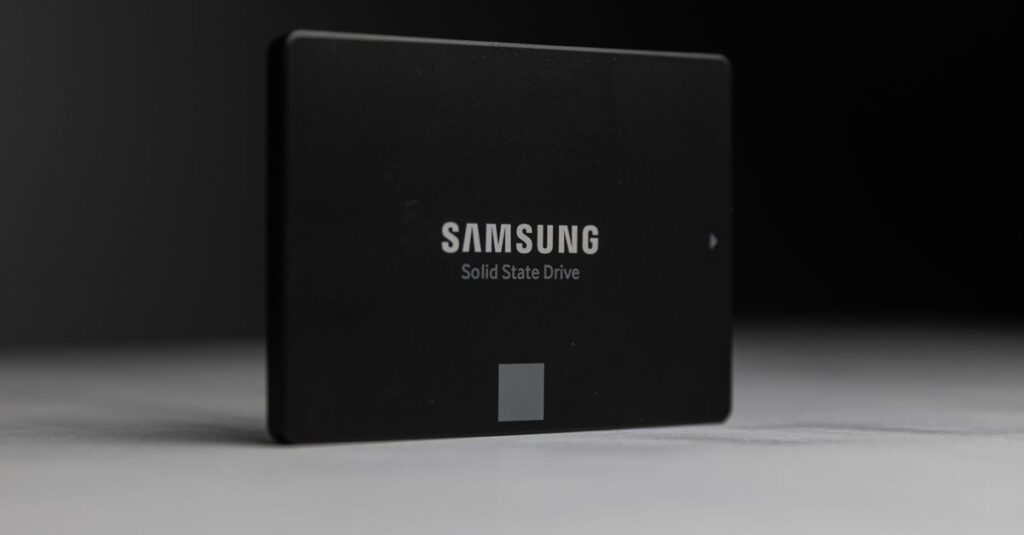
Close-up of a Samsung solid-state drive on a dark surface, modern technology.
SSD Recovery
Information about SSD failures, controller issues, firmware problems, TRIM limitations, and recovery options.
Closeup of an external hard drive connected to a laptop with a USB cable on a desk.
External Drive Recovery
Information about external hard drives, USB drives, memory cards, connection failures, and file recovery options.
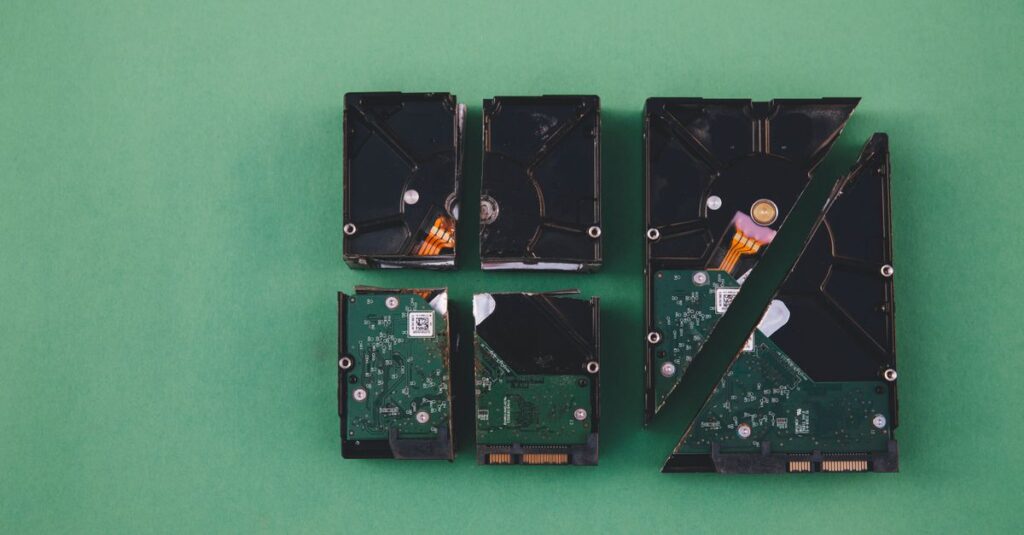
Four broken hard drives arranged on a green background, showcasing data destruction.
Water Damage Recovery
Information about recovering data from water-damaged devices, liquid exposure, corrosion risks, and recovery considerations.

Why Data Recovery Matters

Data recovery can help restore valuable documents, photos, videos, business files, and personal information after accidental deletion, hardware failure, or physical damage.

  • Recover important files.
  • Minimize permanent data loss.
  • Support business continuity.
  • Protect valuable memories.
  • Improve backup awareness.

What You'll Find

Practical data recovery information covering storage failures, recovery methods, software options, backup strategies, and recovery cost considerations.

  • Common data loss scenarios.
  • Hard drive recovery information.
  • SSD recovery guidance.
  • External storage recovery.
  • Backup recommendations.
  • Recovery cost estimates.

Data Recovery Information & Resources

Compare recovery methods, software options, professional recovery services, and backup strategies before attempting to recover lost data.
F.A.Q.

Accidental file deletion, formatted drives, hard drive failures, SSD failures, corrupted partitions, and water-damaged storage devices are among the most common data recovery situations.
In many cases, deleted files can be recovered if they have not been overwritten. Recovery success depends on the storage device, file system, and how the device was used after data loss.
Recovery time varies depending on the storage device, the type of failure, and the amount of data involved. Simple recoveries may take only a few hours, while complex physical recoveries can require several days.
Yes. Many failed hard drives can be recovered using specialized hardware and software, although severe physical damage may reduce recovery success.
SSD recognition problems may be caused by firmware issues, controller failures, damaged connectors, or file system corruption.
Maintain regular backups, monitor drive health, safely eject external storage devices, protect equipment from physical damage, and replace failing drives before they stop working.
Simple recovery software may help recover accidentally deleted files, but devices showing physical damage, clicking noises, or severe hardware failures are generally better handled by professional recovery services to reduce the risk of permanent data loss.
Recovery costs vary depending on the storage device, the type of failure, the amount of recoverable data, and whether specialized laboratory equipment is required.

Related Articles

No posts found.