Appliance Repair Cost

Compare average appliance repair costs for refrigerators, washers, dryers, dishwashers, ovens, and microwaves. Understand the factors that affect repair pricing before deciding whether to repair or replace your appliance.

Common Appliance Repair Costs

Appliance repair costs vary depending on the appliance type, replacement parts, repair complexity, and labor. Compare the most common household appliance repairs and understand what typically affects repair pricing.
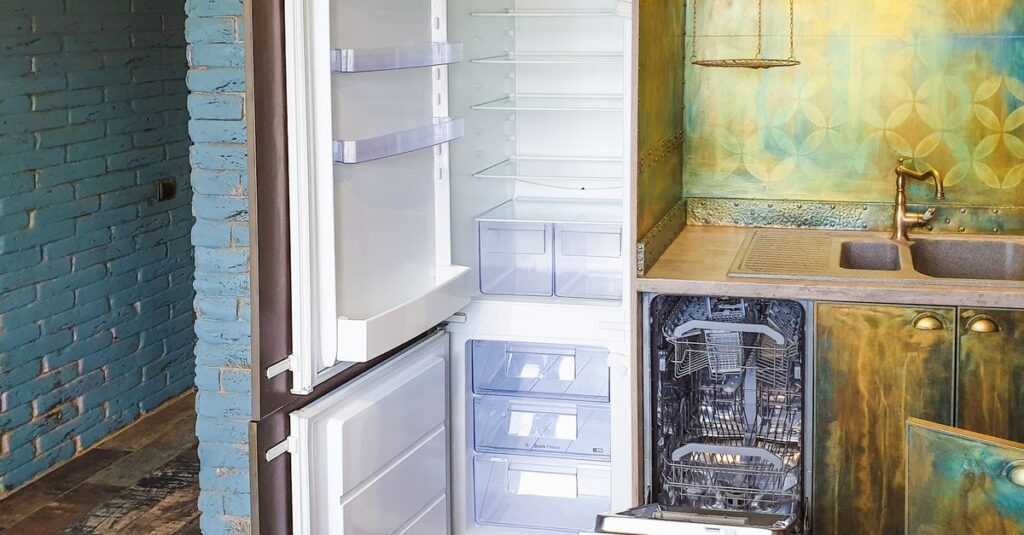
Stylish kitchen interior featuring an open refrigerator and dishwasher, showcasing contemporary design.
Refrigerator Repair
Information about cooling failures, compressor problems, refrigerant leaks, replacement parts, and repair cost considerations.
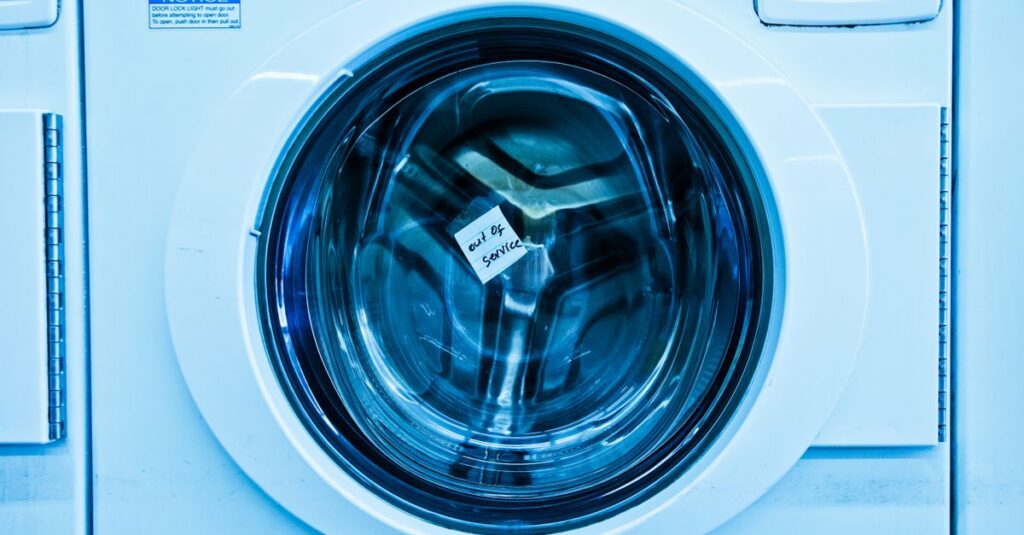
Close-up of an out-of-service washing machine in a laundromat with a blue tint.
Dryer Repair
Information about heating failures, drum issues, belts, thermal fuses, and repair cost considerations.
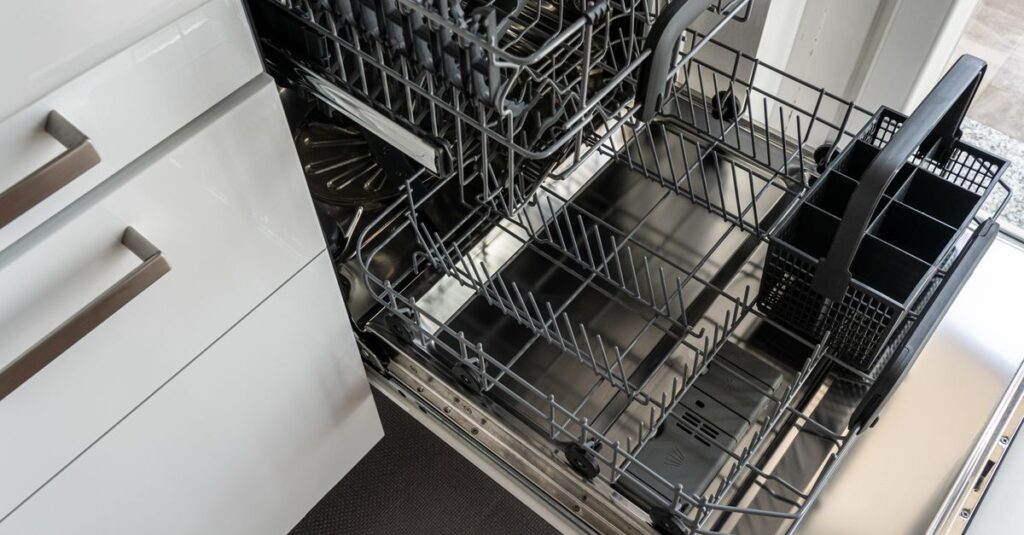
A clean and empty stainless steel dishwasher open in a modern kitchen setting.
Dishwasher Repair
Information about water drainage, spray arm failures, pump problems, leaks, and repair costs.
Contemporary kitchen design featuring sleek cabinets, dual ovens, and chic decor.
Oven Repair
Information about heating elements, igniters, thermostats, control boards, and repair cost considerations.

What Affects Appliance Repair Costs

Several factors influence appliance repair costs. Understanding these factors helps homeowners compare repair estimates and make informed repair decisions.

  • Appliance brand and model
  • Replacement part availability
  • Repair complexity
  • Labor rates
  • Appliance age
  • Warranty coverage

Ways to Reduce Repair Costs

Simple maintenance and informed repair decisions can reduce appliance repair expenses and extend appliance lifespan.

  • Schedule preventive maintenance
  • Repair minor issues early
  • Compare repair estimates
  • Use quality replacement parts
  • Check warranty coverage
  • Maintain appliances regularly

Repair or Replace?

Compare appliance repair costs, replacement costs, expected lifespan, warranty coverage, and energy efficiency before deciding whether to repair or replace your appliance.

F.A.Q.

Repair costs vary depending on the failed component, appliance brand, and replacement parts required.
If repair costs are significantly lower than replacement costs and the appliance is still in good condition, repairing is often the more economical option.
Repair costs depend on appliance type, replacement parts, labor rates, appliance age, and repair complexity.
Some minor maintenance tasks can be completed safely, while electrical or gas appliance repairs should generally be handled by qualified technicians.
Many common appliance repairs can be completed within one visit, although complex repairs or special-order parts may require additional time.
Manufacturer warranties may cover certain repairs depending on the appliance age and warranty terms.
Older appliances may still be worth repairing if repair costs are reasonable and replacement parts remain available.
Routine cleaning, inspections, and replacing worn components early can help prevent expensive repairs later.

Related Articles

No posts found.