

Buying Guides

Compare repair parts, tools, equipment, repair kits, and professional repair services before making a purchase. Find compatibility information, pricing considerations, product comparisons, and buying tips to make informed repair decisions.

Popular Buying Guides

Explore buying guides for repair parts, tools, equipment, repair kits, safety products, and professional repair services. Compare features, compatibility, quality, warranties, and pricing before making a purchase.
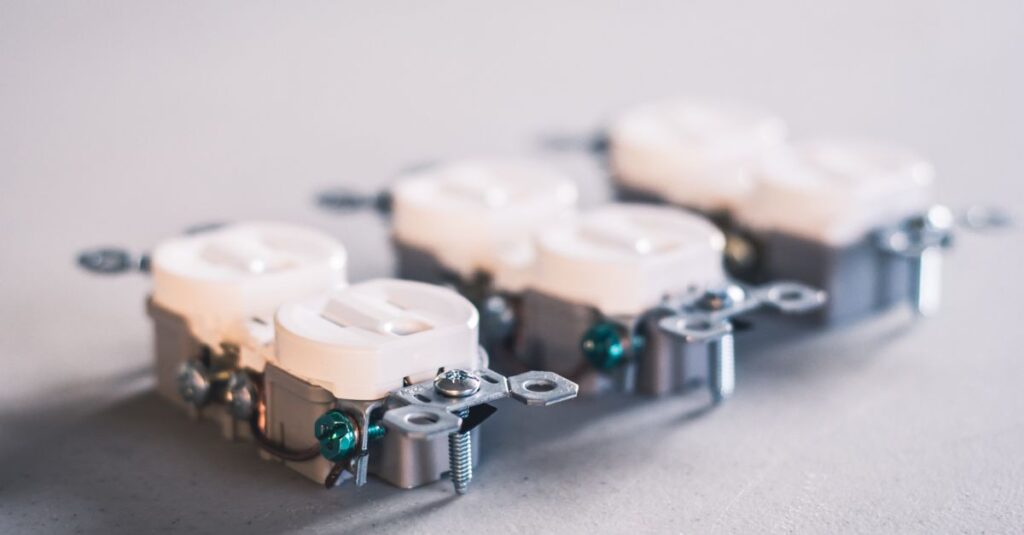
A detailed close-up of electrical outlets. Perfect for construction and electrical use themes.
Repair Parts
Choose compatible replacement parts for phones, computers, appliances, and home systems.
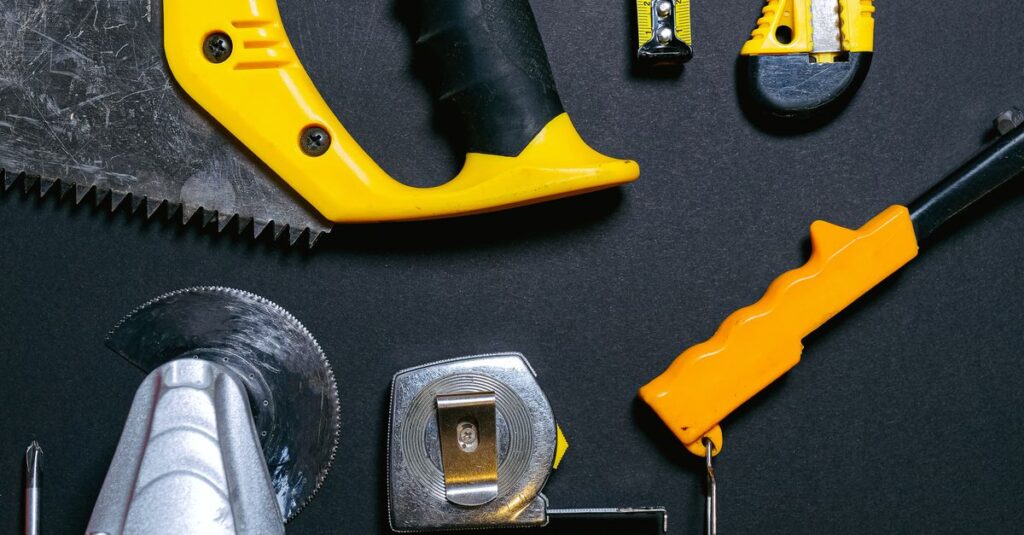
A collection of yellow and black construction tools arranged on a dark flat surface, ideal for DIY projects.
Repair Tools
Compare hand tools, power tools, soldering equipment, and diagnostic devices.
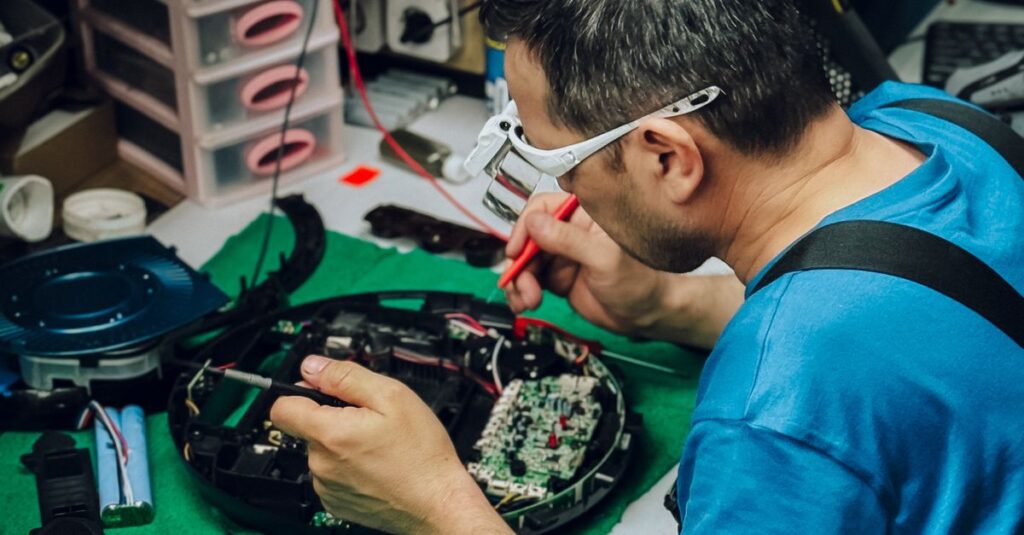
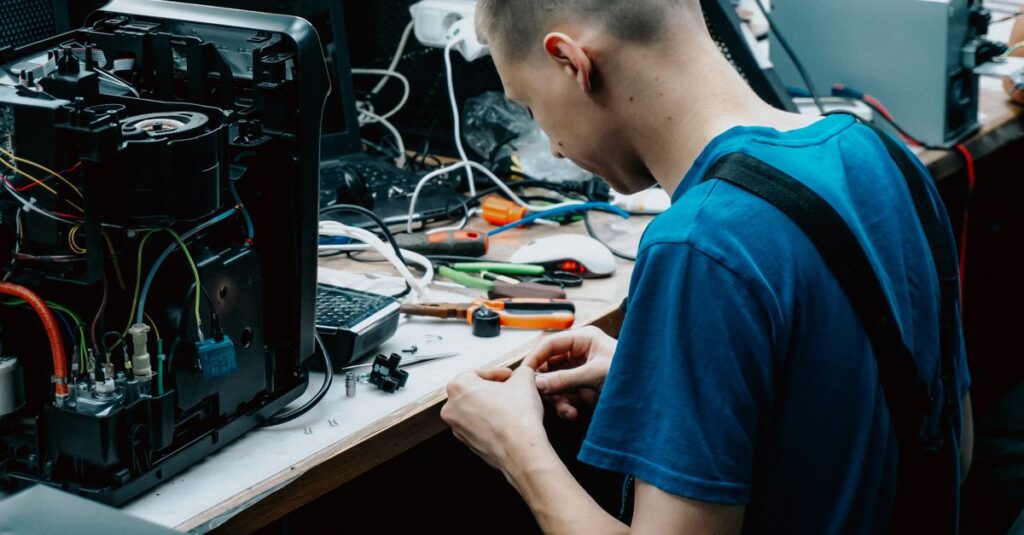
Focused technician repairs electronic device in a cluttered workshop environment.
Repair Equipment
Find professional repair equipment for workshops and service businesses.
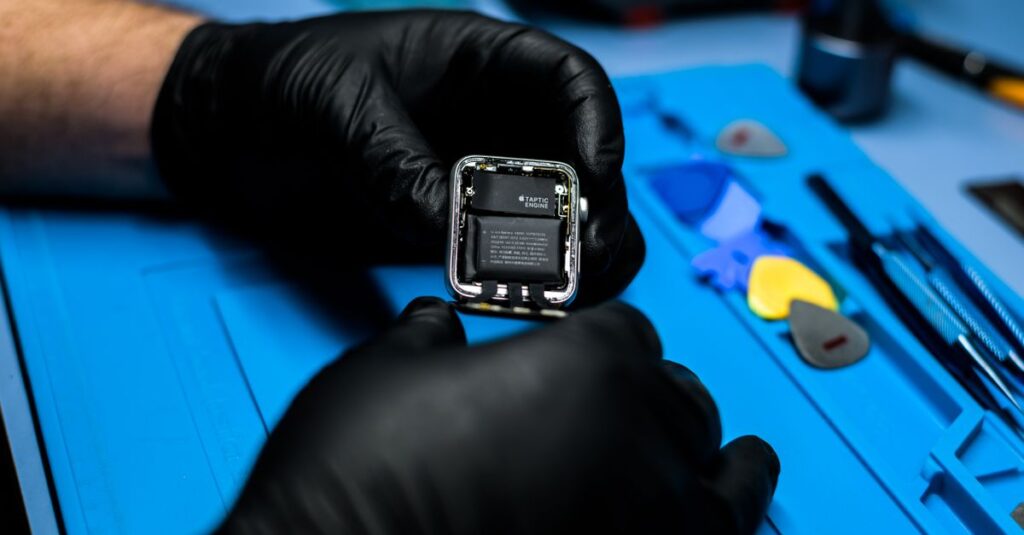
Technician disassembling smartwatch with precision tools in a repair workshop.
DIY Repair Kits
Compare repair kits designed for beginners, homeowners, and electronics repairs.
Skilled technician seated at a workbench repairing electronic devices in a workshop setting.
Professional Services
Understand pricing, warranties, qualifications, and service quality before hiring.
A young caucasian woman wearing safety glasses and ear protection works with electronics indoors.
Safety Equipment
Select protective equipment and ESD safety products for repair work.

What to Compare Before Buying

Evaluate the most important factors before purchasing repair products or services to improve compatibility, reliability, and overall value.

  • Product compatibility
  • OEM vs. aftermarket options
  • Material and build quality
  • Warranty coverage
  • Brand reputation
  • Customer reviews
  • Total repair cost
  • Long-term reliability

Common Buying Mistakes

Avoid common purchasing mistakes that can increase repair costs, reduce product reliability, or create compatibility issues during the repair process.

  • Buying incompatible replacement parts
  • Choosing the lowest price over quality
  • Ignoring warranty and return policies
  • Skipping compatibility verification
  • Buying unnecessary repair tools
  • Using low-quality replacement components
  • Overlooking shipping and hidden costs
  • Not reading customer reviews

Repair Buying Tips

Making informed purchasing decisions helps reduce repair costs, improve repair success rates, and avoid unnecessary replacements. Whether purchasing replacement parts, repair tools, equipment, or professional services, comparing compatibility, quality, warranties, and supplier reputation leads to better long-term value.

F.A.Q.

Use the product model number, part number, and compatibility information before purchasing.
OEM parts offer original specifications, while quality aftermarket parts can provide lower costs with acceptable performance.
Consider durability, compatibility, intended use, safety, and long-term value instead of price alone.
Review certifications, experience, warranty policies, customer reviews, pricing transparency, and turnaround time.
Not always. Choose tools that match your repair needs, frequency of use, and required precision.
Verify model numbers, specifications, connector types, dimensions, and manufacturer compatibility before ordering.
Warranty periods vary, but reputable suppliers generally provide clear replacement or return policies.
Compare repair cost, product age, replacement value, and expected remaining lifespan before deciding.
Look for suppliers with positive reviews, transparent specifications, warranty support, and responsive customer service.
Compare multiple suppliers, verify compatibility, avoid unnecessary upgrades, and purchase quality components that reduce future repairs.

Related Articles

No posts found.