Repair Checklists

Repair checklists for home, appliance, electronics, and equipment repairs. Verify tools, replacement parts, safety precautions, inspections, and testing procedures before, during, and after every repair.

Popular Repair Checklists

Repair checklists for preparation, safety, inspections, replacement parts, testing, and final verification before completing any repair.
Close-up of a hand writing in a notebook with a checklist for effective task management.
Before Repair
Verify the problem, gather tools, prepare replacement parts, and organize your workspace before starting repairs.
Confident female construction worker wearing safety gear and holding a drill indoors.
Safety Checklist
Confirm power is disconnected, wear appropriate protective equipment, and prepare a safe working environment.
Close-up of hands using a stylus to write on a digital checklist, enhancing productivity.
Tool Checklist
Prepare the correct repair tools, measuring devices, and testing equipment before beginning the repair.
Industrial worker managing inventory in a warehouse with a clipboard and checklist.
Parts Checklist
Verify replacement part numbers, compatibility, specifications, and quantities before installation.
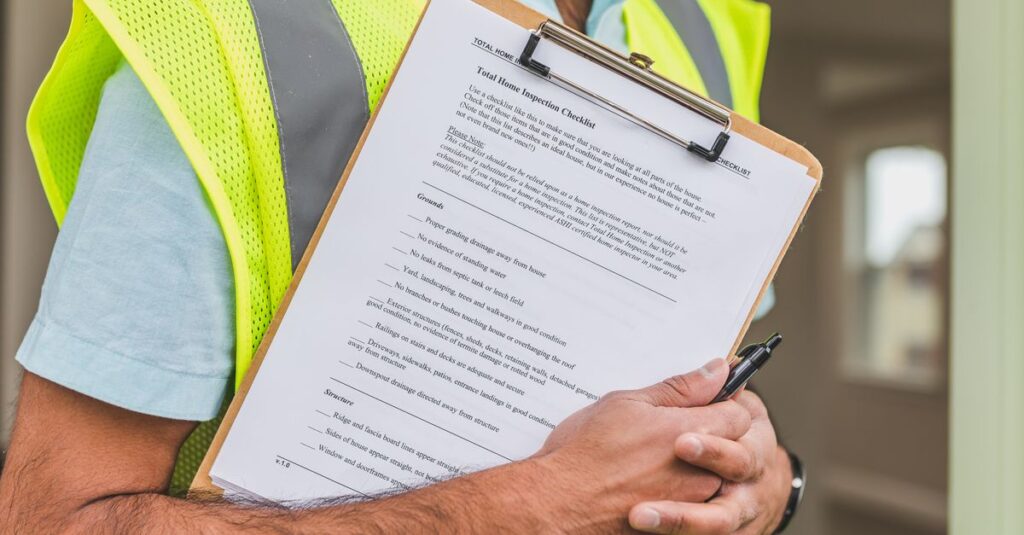
Close-up of home inspector holding a checklist on a clipboard with a pen.
Inspection Checklist
Inspect repaired components, electrical connections, fasteners, and moving parts before final assembly.
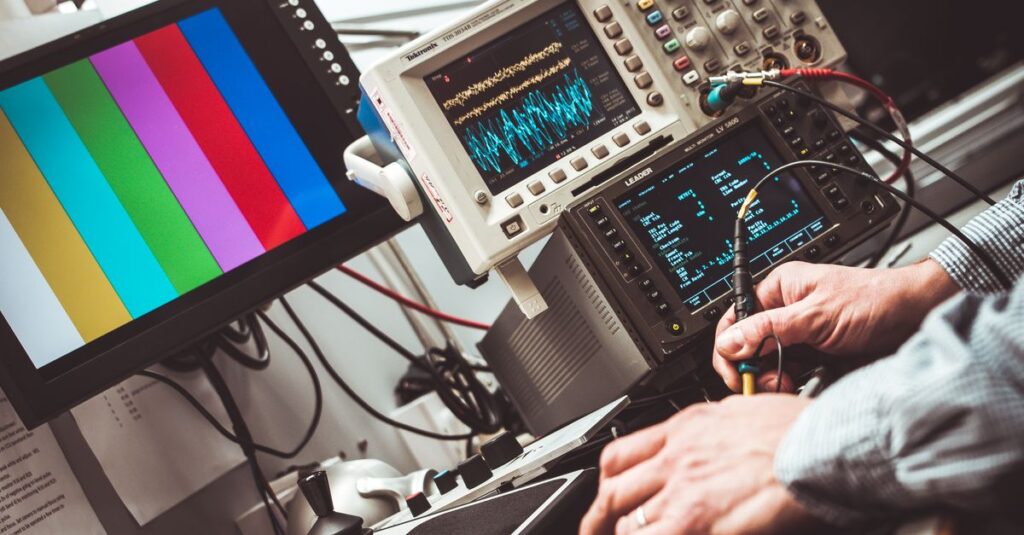
Technician operating laboratory electronic testing and measurement devices with colorful display.
Final Testing
Test functionality, safety, and overall performance before returning equipment to normal operation.

Repair Checklist Best Practices

Using a repair checklist improves repair accuracy, reduces overlooked steps, and helps ensure repairs are completed safely and efficiently.

  • Confirm the repair diagnosis
  • Prepare all required tools
  • Verify replacement part compatibility
  • Disconnect power before repairs
  • Organize removed components
  • Inspect all repaired areas
  • Test functionality before reassembly
  • Complete a final inspection

Common Checklist Mistakes

Skipping important inspection steps can increase repair time, create safety risks, and lead to repeated repairs.

  • Skipping diagnostic verification
  • Missing required tools
  • Installing incorrect replacement parts
  • Ignoring safety procedures
  • Forgetting small components
  • Not testing before completion
  • Incomplete final inspection
  • Not documenting completed repairs

Repair Checklist Resources

Repair checklists improve repair consistency, reduce overlooked steps, minimize unnecessary mistakes, and help ensure repairs are completed safely and efficiently from preparation through final testing.


F.A.Q.

A repair checklist helps organize every stage of the repair process, reduces missed steps, improves consistency, and increases the likelihood of a successful repair.
Before starting a repair, verify the problem, gather the correct tools, confirm replacement part compatibility, prepare a safe workspace, and review the repair procedure.
A safety checklist helps reduce the risk of injury, electrical hazards, equipment damage, and other preventable accidents during the repair process.
Check the product model, part number, specifications, dimensions, and manufacturer recommendations before installing any replacement part.
Prepare all required hand tools, power tools, measuring devices, testing equipment, safety gear, and any specialty tools needed for the repair.
Equipment should be tested after the repair is completed but before final reassembly or returning it to normal operation to confirm proper functionality.
Inspect all repaired components, electrical connections, fasteners, moving parts, safety features, and overall performance before considering the repair complete.
Common mistakes include skipping diagnostic steps, forgetting replacement parts, missing safety checks, using incorrect tools, failing to test the repair, and overlooking the final inspection.
Yes. Following a repair checklist helps prevent unnecessary mistakes, reduces repeat repairs, improves efficiency, and lowers overall repair costs.
Repair documentation provides a maintenance history, helps diagnose future issues, tracks replaced parts, and supports warranty or service records when needed.

Related Articles

No posts found.